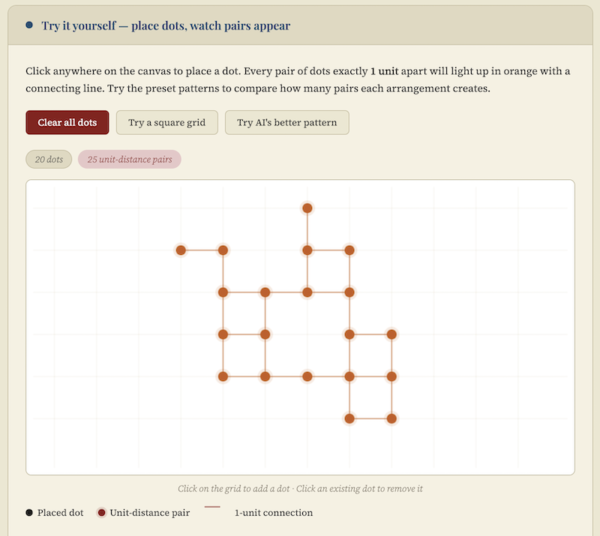
80 years ago, in 1946, Paul Erdős posed a problem. He asked:
If you place N dots anywhere on the same plane, what is the maximum number of those “unit-distance” pairs you can create?
OpenAI’s AI solves the problem in a new, creative way. And then Anthropic’s AI Claude explains the problem by simplifying it and building an interactive tool to support it – both worked without human intervention.
We are living in the most interesting era in all of human history.
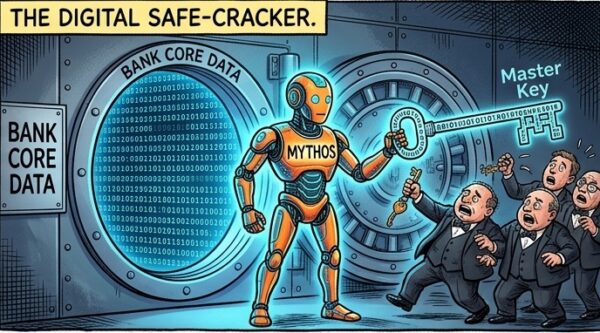
Banks around the world are flocking to Anthropic and asking for an ‘in’ into Mythos, so that they can check their legacy systems for vulnerabilities that hackers may exploit using Mythos, and patch them before Mythos becomes publicly available.
We’ve gotten our first wake-up call. Whether we’ll wake up or not is an entirely different matter.
In this post, explore the Claude Mythos timeline, which is unravelling at hypersonic speed. Also, read my human-to-human monologue about how we are focused on all the wrong things right now.
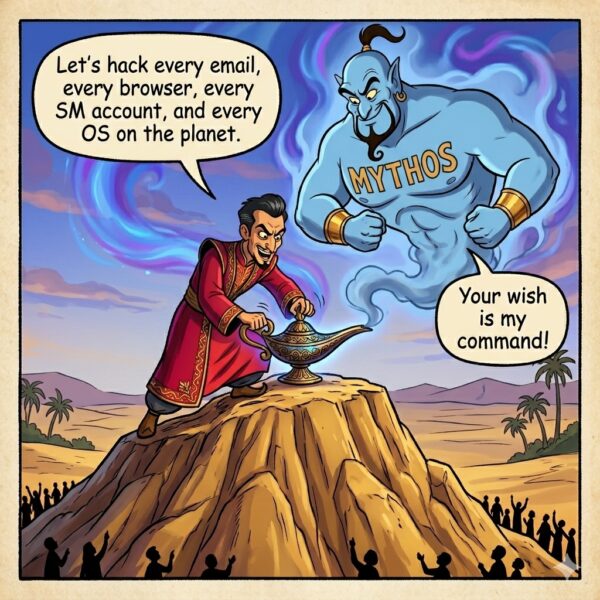
As Anthropic shares its fears about the possible misuse of Mythos’s capabilities and the reason why it isn’t releasing it yet, we must ask ourselves, are we reaching a point of no return?
We must ask ourselves whether the price that we are paying for our survival will make survival nonsensical, because without our minds we aren’t really alive.
First Announcement of Ek Cup Chai.

All my interactions with AI and my exposure to the vast variety of AI-generated content have only fortified my belief. AI can be a tool only for those who have “already” developed their critical thinking skills. For all others, it’s… Continue Reading →
Bernie Sanders says, “Slow this thing down.”
While most politicians have merrily gone about doing their stuff (gathering votes, building vote-banks, getting donations from tech-companies, and so on) without stopping to give AI sufficient thought, Bernie Sanders voices the real concern. The Tech Billionaires are going to lead the world in the future. They are smart enough to understand what motivates politicians and businessmen – and they know that it sure as heck isn’t a great future for humanity in general.
I’ve just followed Bernie Sanders’ Twitter account. I’ll never be his voter, but I am turning into his supporter. Right here. Right now.
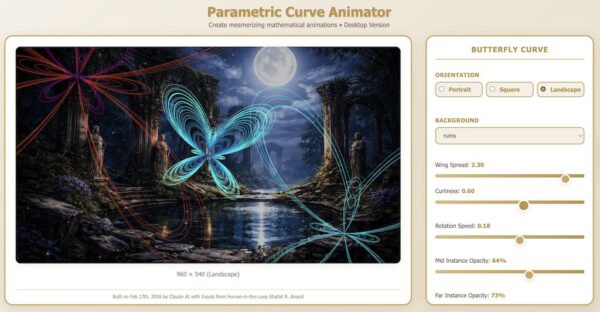
Prompted by a non-programmer, Claude built this Mathematical Curves Parameter Animator in about an hour.
On one hand, it appears to be magical. Something that a programmer would probably do in a week, was done by a program in an hour.
On the other hand, it didn’t leave me fulfilled – even happy. I felt no pride, no joy – nothing. Neither did Claude. So, the question I was left fielding was: Was it worth it?
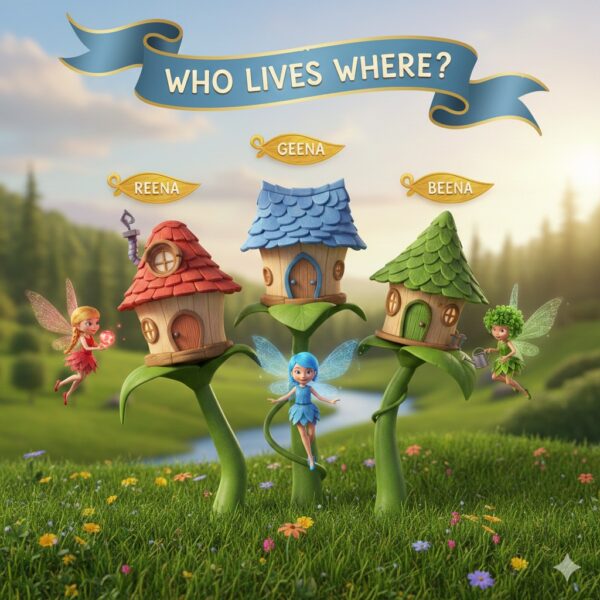
There’s a lot of confusion about what constitutes logical reasoning, critical thinking, and creativity.
This post presents a basic logical reasoning question with a slight twist in its tail.
In the coming posts, we’ll see examples of higher level logical reasoning questions and also reflect upon some critical thinking questions.
The Gibli trend, the action figure trend, the nano-banana trend, and now the caricature trend – these are the games that keep us occupied, so that we don’t ask the questions that matter. It’s time we took a deep breath and started chalking out our plan B. What would we do if AI is the storm and not the ark it’s being touted to be? Let us start talking about it – in homes, in parks, in restaurants, during coffee-/sutta-breaks…let us start questioning, because if we don’t, nobody else will do it for us.
My experience of vibe-coding the abstract neural network animation and three burning questions.